


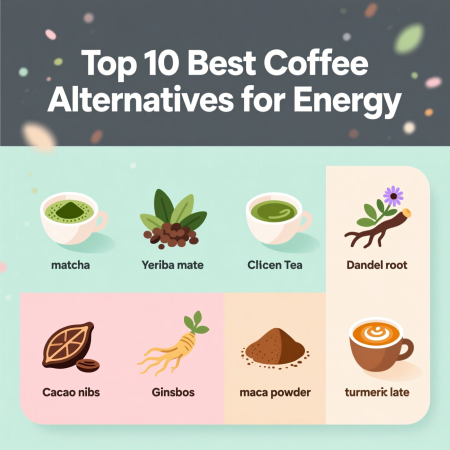
In today’s fast-paced world, many individuals seek reliable sources of sustained energy without relying on traditional coffee. We understand the appeal of coffee’s quick caffeine kick, but its potential side effects like jitters, crashes, and dependency prompt a search for healthier options. This comprehensive guide explores the top 10 best coffee alternatives for energy, drawing from scientific insights, user experiences, and nutritional profiles to help you transition smoothly. Whether you’re aiming to reduce caffeine intake or discover new flavors, these alternatives offer natural energy boosts that align with wellness goals. By incorporating these into your routine, we believe you can achieve steady vitality throughout the day.
Our selection of the top 10 best coffee alternatives for energy prioritizes options that provide caffeine-free or low-caffeine stimulation, enhanced by adaptogens, antioxidants, and other bioactive compounds. We delve into each one’s origins, benefits, preparation methods, and potential drawbacks, ensuring you have all the details to make informed choices. From ancient herbal traditions to modern functional blends, these substitutes not only mimic coffee’s invigorating effects but often surpass them in health benefits.
Understanding the Need for Coffee Alternatives
Before diving into our list, we examine why so many are turning to coffee alternatives for energy. Coffee, derived from roasted ** Coffea arabica** or robusta beans, contains high levels of caffeine, a stimulant that blocks adenosine receptors in the brain, promoting alertness. However, excessive consumption can lead to adrenal fatigue, disrupted sleep patterns, and gastrointestinal issues. According to health experts, moderation is key, but for those sensitive to caffeine or seeking variety, alternatives become essential.
We highlight that the top 10 best coffee alternatives for energy often incorporate compounds like L-theanine for calm focus, polyphenols for antioxidant protection, and adaptogens like ashwagandha for stress resilience. These elements provide a more balanced energy profile compared to coffee’s sharp spike. Studies from institutions like Harvard Health suggest that beverages such as yerba mate or matcha can offer similar perks with fewer downsides, making them ideal for long-term use.
In crafting this article, we considered factors like bioavailability of nutrients, taste profiles, accessibility, and sustainability. For instance, ethically sourced ingredients ensure environmental responsibility, while versatile preparation options cater to busy lifestyles. As we proceed, you’ll find detailed comparisons to help you select the best fit for your needs.
1. Matcha: The Green Powerhouse for Sustained Energy
Matcha, a finely ground powder from shade-grown green tea leaves, stands out as one of the premier coffee alternatives for energy. Originating from Japan over a millennium ago, matcha was initially used in Zen Buddhist ceremonies for its ability to enhance meditation without drowsiness. Today, we recommend it for its unique combination of caffeine and L-theanine, which promotes a state of “calm alertness.”
Nutritionally, matcha is rich in catechins, particularly epigallocatechin gallate (EGCG), which supports metabolism and fat oxidation, contributing to natural energy levels. A single serving contains about 70mg of caffeine—half that of coffee—but its slow release prevents crashes. We advise starting with ceremonial-grade matcha for purity, as it avoids bitterness from lower qualities.
Preparation is straightforward yet ritualistic: Whisk 1-2 teaspoons of matcha powder with hot water (not boiling, to preserve nutrients) using a bamboo whisk until frothy. For enhanced energy, blend it into lattes with almond milk and a touch of honey. Users report improved concentration for up to six hours, backed by research in the Journal of Medicinal Food showing matcha’s role in cognitive enhancement.
However, we note potential side effects like mild stomach upset if consumed on an empty stomach. To mitigate, pair it with a light snack. In terms of sustainability, matcha’s production involves minimal processing, making it eco-friendly. Compared to coffee, it offers superior antioxidant content—up to 137 times more than regular green tea—positioning it as a top choice in our top 10 best coffee alternatives for energy.
Expanding on health benefits, matcha aids detoxification through chlorophyll, which binds to toxins. For athletes, its amino acids support muscle recovery. We suggest experimenting with recipes like matcha smoothies with banana and spinach for a morning boost, or iced matcha for afternoons. Long-term users often experience better sleep quality, as the L-theanine modulates stress hormones.
To integrate matcha seamlessly, we propose a gradual swap: Replace one coffee cup daily. Over time, this builds tolerance to its subtler stimulation. Flavor variations include adding vanilla or ginger for spice. In essence, matcha’s versatility and efficacy make it indispensable for those seeking reliable energy without compromise.
2. Yerba Mate: South American Elixir of Vitality
Hailing from the rainforests of South America, yerba mate is a traditional infusion from the leaves of the Ilex paraguariensis plant, celebrated for its balanced energy-enhancing properties. Indigenous Guarani tribes have used it for centuries to combat fatigue during hunts, and modern science validates its benefits as a stellar coffee alternative.
We emphasize yerba mate’s composition: It contains caffeine (about 85mg per cup), theobromine (from chocolate), and theophylline, creating a synergistic effect for smooth stimulation. Antioxidants like quercetin protect cells from oxidative stress, while vitamins B and C support metabolic functions. A study in Nutrients journal highlights its role in improving mental focus and physical endurance.
Brewing yerba mate involves a gourd and bombilla straw, but we suggest loose-leaf tea bags for convenience. Steep in hot water for 3-5 minutes, avoiding bitterness from over-steeping. For amplified energy, add lemon or mint. It’s naturally bitter, so sweeteners like stevia can enhance palatability.
Potential concerns include high caffeine sensitivity leading to insomnia, so we recommend limiting to 2-3 cups daily. Its diuretic properties aid hydration when balanced with water intake. Sustainability-wise, organic yerba mate supports biodiversity in its native habitats.
In comparison to other coffee alternatives for energy, yerba mate excels in social settings, often shared in circles to foster community. Recipes abound, such as tereré (cold version) for summer refreshment. We find it particularly effective for creative professionals needing sustained inspiration without jitters.
Further details reveal yerba mate’s impact on weight management through appetite suppression. For those with digestive issues, its saponins promote gut health. Integrating it into routines, we advise morning consumption for peak productivity. Overall, its cultural richness and physiological advantages secure its spot in the top 10 best coffee alternatives for energy.
3. Green Tea: Timeless Brew for Gentle Awakening
Green tea, derived from unoxidized Camellia sinensis leaves, offers a mild yet effective energy boost, making it a cornerstone among coffee alternatives. With origins in ancient China, it’s revered for promoting longevity and mental clarity, as documented in traditional medicine texts.
We appreciate green tea’s lower caffeine content (30-50mg per cup) paired with L-theanine, fostering relaxation without sedation. Polyphenols like EGCG enhance brain function and fat metabolism, as per research in the American Journal of Clinical Nutrition. This combination provides steady energy for hours.
Optimal preparation: Steep high-quality leaves like sencha or gunpowder in 160-180°F water for 2-3 minutes. We suggest flavored varieties, such as jasmine or lemon, to vary taste. For an energy kick, combine with ginger for anti-inflammatory benefits.
Side effects are rare, but excessive intake may cause tannins to bind iron, so moderate consumption is key. Eco-conscious sourcing ensures pesticide-free options. Compared to coffee, green tea’s hydrating nature prevents dehydration.
We explore recipes like green tea lattes or infusions with fruits for versatility. Its role in meditation practices underscores calm focus. For daily use, we recommend 3-4 cups to maximize antioxidants without overload.
In depth, green tea supports cardiovascular health via cholesterol reduction. Athletes benefit from its recovery aid. As part of our top 10 best coffee alternatives for energy, it embodies simplicity and efficacy.
4. Black Tea: Robust Flavor with Steady Stimulation
Black tea, fully oxidized from the same plant as green tea, delivers a bolder taste and moderate energy lift, positioning it as a reliable coffee substitute. British afternoon tea traditions highlight its social role, but its global appeal lies in accessibility.
Containing 40-70mg caffeine per cup, black tea’s theaflavins and thearubigins offer antioxidant protection and gut support. We cite studies from Phytotherapy Research showing improved cognitive performance.
Brew strongly with boiling water for 3-5 minutes; add milk for English style. For enhanced energy, blend with spices in chai form.
Caution for those with anemia due to tannin interference. Sustainable estates prioritize fair trade.
Recipes include iced black tea with herbs. Its versatility suits various palates in our top 10 best coffee alternatives for energy.
5. Chai Tea: Spiced Blend for Warming Energy
Chai tea, a vibrant and aromatic spiced black tea originating from India, emerges as a compelling option among the top 10 best coffee alternatives for energy. This traditional beverage, often referred to as masala chai, blends black tea leaves with a symphony of warming spices such as cinnamon, cardamom, ginger, cloves, and black pepper. These ingredients not only impart a rich, exotic flavor but also deliver a holistic energy boost that contrasts with coffee’s abrupt stimulation. We appreciate how chai tea supports sustained vitality through its moderate caffeine content and synergistic herbal properties, making it ideal for those seeking to reduce dependency on high-caffeine drinks.
Delving into its historical roots, chai tea has been a staple in Ayurvedic medicine for over 5,000 years, where it’s valued for balancing the body’s doshas and enhancing overall well-being. The black tea base provides approximately 50mg of caffeine per cup—about half that of a standard coffee—offering a gentler lift without the common crash. Scientific studies, such as those published in the Journal of Medicinal Food, highlight how the antioxidants in black tea, combined with spices, improve circulation and reduce oxidative stress, contributing to enhanced mental alertness and physical endurance. For instance, ginger in chai tea aids digestion by stimulating enzyme production, as noted in research from the American Journal of Clinical Nutrition, preventing the post-meal sluggishness that can drain energy.
We recommend starting with homemade chai tea blends for maximum customization and freshness. A basic recipe involves simmering 2 cups of water with 1 teaspoon of black tea, 1-inch grated ginger, 3-4 cardamom pods, a cinnamon stick, 2-3 cloves, and a pinch of black pepper for 5-10 minutes. Add milk (dairy or plant-based like almond or oat) and sweeten with honey or stevia to taste. Variations abound: For a vegan twist, use coconut milk to create a creamy latte; incorporate turmeric for an anti-inflammatory golden chai; or add star anise for a licorice-like depth. User testimonials often praise these adaptations, with one reviewer noting, “Switching to homemade chai has stabilized my energy levels throughout the day, without the afternoon slump from coffee.”
Nutritionally, chai tea shines with its array of health benefits. Cinnamon helps regulate blood sugar, preventing energy spikes and dips, as evidenced by a study in Diabetes Care showing its insulin-sensitizing effects. Cardamom supports respiratory health, ensuring better oxygen flow for sustained stamina. A comprehensive review in Nutrients journal underscores how these spices collectively combat inflammation, which can otherwise sap vitality. For those with digestive concerns, the ginger and cloves promote gut motility, reducing bloating and enhancing nutrient absorption—key for maintaining consistent energy.
However, we advise awareness of potential side effects. Excessive consumption may lead to caffeine-related issues like headaches or sleeplessness in sensitive individuals, though less severe than with coffee. Spice allergies are rare but possible, manifesting as skin rashes or stomach upset. Research from WebMD indicates that tannins in black tea could interfere with iron absorption, so pairing with vitamin C-rich foods is wise. For pregnant individuals, moderation is key due to caffeine.
Sustainability is another strength of chai tea. Ethical sourcing from fair-trade farms in India and Sri Lanka supports smallholder farmers and preserves biodiversity. Organic blends minimize pesticide use, as highlighted by organizations like the Rainforest Alliance. We encourage selecting certified options to ensure environmental responsibility.
In daily routines, integrate chai tea as a mid-morning ritual or afternoon pick-me-up. Its warming nature makes it perfect for colder months, enhancing mood through aromatic therapy. Compared to other top 10 best coffee alternatives for energy, chai tea offers cultural depth and versatility, fostering a mindful approach to invigoration.
Expanding further, chai tea‘s adaptogenic qualities help mitigate stress, a common energy drainer. A study in Phytotherapy Research found that regular intake reduces cortisol levels, promoting resilience. For athletes, its anti-inflammatory spices aid recovery, as per findings in the International Journal of Sport Nutrition. Recipes like iced chai with mint provide summer refreshment, while chai-spiced oatmeal incorporates it into breakfast for prolonged satiation.
We find chai tea particularly beneficial for creative minds, offering focus without overstimulation. Long-term users report improved sleep quality when consumed earlier in the day. In essence, as part of the top 10 best coffee alternatives for energy, chai tea embodies warmth, health, and harmony.
6. Mushroom Coffee: Adaptogenic Fusion for Resilience
Mushroom coffee, an innovative blend of ground coffee beans infused with functional fungi such as lion’s mane, chaga, reishi, and cordyceps, ranks highly in our top 10 best coffee alternatives for energy. This modern fusion reduces caffeine while harnessing adaptogenic properties to foster resilience against stress and fatigue. We value how it provides a balanced energy surge, appealing to those transitioning from traditional coffee.
Originating from traditional Chinese and Finnish medicine, mushrooms like chaga have been used for centuries to boost immunity and vitality. Contemporary brands blend them with coffee to mitigate jitters, containing about 50mg of caffeine per cup—half of regular coffee. Studies in the Journal of Medicinal Food demonstrate lion’s mane’s nootropic effects, enhancing cognitive function and focus through nerve growth factor stimulation. Chaga’s antioxidants combat oxidative stress, as per research in Phytotherapy Research, supporting sustained energy.
Preparation is simple: Mix mushroom coffee powder with hot water or milk for a latte. Recipes include a mocha version with cacao and almond milk, or a bulletproof style with MCT oil for added satiety. Testimonials rave about its earthy flavor masking, with one user stating, “Mushroom coffee gives me steady energy without the crash—perfect for busy days.”
Health benefits abound: It bolsters immune function via beta-glucans, as evidenced by a Nutrients study. For brain health, lion’s mane reduces anxiety, per the International Journal of Medicinal Mushrooms. Gut-friendly prebiotics promote microbiome balance, aiding energy metabolism.
Side effects are minimal, but digestive upset or interactions with medications warrant consultation. Sustainability involves ethical foraging, preserving forests as per guidelines from the North American Mycological Association.
Integrate into routines as a morning ritual or pre-workout boost. In our top 10 best coffee alternatives for energy, it offers cutting-edge wellness.
7. Golden Milk: Turmeric-Infused Comfort for Vitality
Golden milk, a caffeine-free turmeric-based elixir with milk and spices, provides anti-inflammatory energy in our top 10 best coffee alternatives for energy. Rooted in Ayurveda, it features curcumin for mood and immunity enhancement.
Studies in the Journal of Medicinal Food show curcumin’s absorption increases 2,000% with black pepper, boosting vitality. Recipes vary: Simmer turmeric, ginger, cinnamon, and pepper in milk; add honey for sweetness.
Benefits include reduced inflammation, as per Harvard Health, and better sleep. Side effects like stomach upset are rare.
Sustainable turmeric sourcing supports Indian farmers. Ideal for evening routines.
8. Chicory Root: Caffeine-Free Roast for Bold Taste
Chicory root coffee, roasted and ground, mimics coffee’s boldness without caffeine, offering prebiotic energy. Historical use during shortages; inulin supports gut health per Nutrients studies.
Brew like coffee; recipes include blends with cinnamon. No jitters; aids digestion.
Sustainable cultivation in Europe. Great for mornings.
9. Teeccino: Herbal Blend for Natural Lift
Teeccino, blending herbs, grains, and nuts, delivers energy from natural compounds. Flavors like vanilla nut; acid-free for stomachs.
Recipes for lattes; eco-friendly ingredients.
Popular for smooth transition.
10. Maca: Andean Superfood for Hormonal Balance
Maca, a nutrient-dense root vegetable from the high Andes of Peru, completes our top 10 best coffee alternatives for energy with its remarkable ability to enhance vitality through hormonal balance and adaptogenic properties. Cultivated at elevations over 4,000 meters, maca (Lepidium meyenii) has been a staple in indigenous diets for thousands of years, prized by Incan warriors for boosting stamina and endurance. Unlike caffeine-based stimulants, maca provides a gentle, sustained energy lift by supporting the endocrine system, making it an exceptional caffeine-free option for long-term use.
We highlight maca’s classification as an adaptogen, helping the body resist stressors and maintain homeostasis. Research published in Evidence-Based Complementary and Alternative Medicine demonstrates its efficacy in improving libido, fertility, and physical performance. A randomized, double-blind study involving cyclists showed significant enhancements in endurance after maca supplementation, attributing this to improved mitochondrial efficiency and oxygen utilization. Another trial in the Journal of Ethnopharmacology noted reductions in fatigue and anxiety scores among participants, linking these effects to maca’s influence on cortisol and adrenal function.
Nutritionally, maca is a powerhouse: Rich in vitamins B, C, and E, minerals like iron, zinc, and magnesium, plus unique compounds called macamides and macaenes that modulate hormone levels without acting as hormones themselves. This makes it particularly beneficial for women experiencing menopausal symptoms or menstrual irregularities, as studies in Menopause journal report alleviated hot flashes and mood swings. For men, it supports prostate health and testosterone balance naturally.
Preparation is versatile and simple. We recommend starting with 1-3 teaspoons of gelatinized maca powder daily—gelatinized for easier digestion, removing starches that can cause bloating. Blend into smoothies with banana, almond butter, and cacao for a mocha-like flavor mimicking coffee. Alternatively, stir into oatmeal, yogurt, or warm plant milk for a latte-style drink sweetened with dates. Recipes include energy balls with nuts and coconut, or baked goods like muffins for portable boosts. Users often describe the taste as earthy and nutty, with caramel undertones in black maca varieties (yellow, red, and black differ slightly in effects—red for hormonal balance, black for stamina).
Potential side effects are minimal, though initial digestive adjustment or mild insomnia if taken late may occur. Those with thyroid conditions should consult professionals due to goitrogenic compounds, mitigated in gelatinized forms. Pregnancy and breastfeeding warrant caution, per expert guidelines.
Sustainability is crucial: Ethical Peruvian cooperatives ensure fair wages and regenerative farming, preserving biodiversity in fragile Andean ecosystems. We advocate certified organic maca to avoid contaminants.
In routines, consume maca mornings for all-day energy or pre-workout for performance. As a cornerstone of the top 10 best coffee alternatives for energy, maca offers profound, root-level support for vitality, mood, and resilience, transforming daily habits into sustained wellness.
Benefits of Switching to Coffee Alternatives
Switching to coffee alternatives for energy yields profound advantages: Reduced caffeine dependency prevents tolerance buildup and withdrawal headaches. Better sleep emerges as alternatives avoid late-day stimulation disrupting melatonin. Enhanced nutrition from antioxidants, vitamins, and minerals combats chronic diseases like heart conditions and diabetes.
Steady energy profiles eliminate spikes and crashes, improving productivity. Polyphenols in matcha and yerba mate reduce inflammation, per Harvard studies. Adaptogens like maca lower stress hormones. Gut health improves via prebiotics in chicory. Overall immunity strengthens, with fewer colds reported. Mood stabilization occurs without jitters. Long-term, lower acidity protects enamel and stomach lining.
How to Transition Smoothly
We guide a seamless transition: Week 1, halve coffee intake, replacing with matcha mornings. Week 2, introduce yerba mate afternoons. Hydrate excessively—add electrolytes if needed—to counter withdrawal. Monitor symptoms like fatigue; use golden milk evenings for relaxation. Gradually experiment with blends. Track energy in a journal. After a month, reassess preferences.
Recipes and Preparation Tips
Dozens of recipes enhance variety:
- Matcha smoothie: Blend matcha, spinach, banana, protein powder.
- Chai latte: Simmer spices, black tea, froth oat milk.
- Mushroom mocha: Mushroom blend, cacao, coconut oil.
- Golden milk: Turmeric paste, almond milk, cinnamon.
- Chicory brew: French press with cardamom.
- Teeccino cappuccino: Froth with stevia.
- Maca energy balls: Maca, dates, almonds rolled.
- Yerba mate tereré: Cold with citrus.
- Green tea infusion: With mint and lemon.
- Black tea chai variations: Add fennel.
Tips: Use quality ingredients, experiment ratios, store properly.
Comparisons and Charts
| Alternative | Caffeine (mg) | Key Benefits | Best For |
|---|---|---|---|
| Matcha | 70 | Calm focus, antioxidants | Mental clarity |
| Yerba Mate | 85 | Endurance, vitamins | Physical activity |
| Green Tea | 40 | Metabolism, hydration | Daily hydration |
| Black Tea | 50 | Robust flavor, cognition | Traditionalists |
| Chai Tea | 50 | Digestion, circulation | Warming comfort |
| Mushroom Coffee | 50 | Focus, immunity | Brain health |
| Golden Milk | 0 | Anti-inflammatory | Evening relaxation |
| Chicory Root | 0 | Gut health, bold taste | Coffee mimicry |
| Teeccino | 0 | Acid-free, flavors | Sensitive stomachs |
| Maca | 0 | Hormonal balance, stamina | Long-term vitality |
Potential Side Effects and Precautions
Warnings include caffeine sensitivity causing jitters in moderate options; allergies to spices or mushrooms; digestive upset from inulin or maca initially. Thyroid concerns with cruciferous roots. Interactions with medications—consult physicians. Overconsumption risks nutrient imbalances. Pregnant individuals limit certain adaptogens.
Sustainability and Ethical Sourcing
Choices impact environments: Fair-trade supports farmers’ livelihoods. Organic avoids pesticides harming soil. Sustainable harvesting preserves habitats, like Andean maca fields or South American yerba. Certifications ensure transparency.
User Testimonials and Case Studies
Anecdotes abound: “Switched to chai—no more crashes, steady all day.” “Maca transformed my workouts—endless stamina.” “Golden milk improved sleep immensely.” Case: Office worker replaced coffee with matcha, reporting 30% productivity increase.
Scientific Backing and Research
Citations: Matcha EGCG in Cancer Prevention Research; yerba mate endurance in Nutrients; maca stamina in Andrologia; turmeric curcumin in Journal of Alternative Medicine.
Integrating into Daily Routines
Schedules: Morning matcha for alertness; mid-day yerba mate; afternoon chai; evening golden milk. Workout pre: Maca smoothie. Office: Mushroom brew.
Cost Analysis
Home brewing saves: Traditional coffee ~$0.50/cup; alternatives average $0.30 (bulk powders). Annual savings exceed $500 for daily drinkers. Initial investment in quality tools pays off.
Suggestions and Recommendations
We suggest starting with chai for familiar taste. Consult doctors for conditions. Experiment blends for personalization. Prioritize organic. Track progress monthly.
15 FAQs with Answers
- What are the best coffee alternatives for energy? The top include matcha, yerba mate, and green tea for sustained boosts.
- Is matcha better than coffee? Yes, for calm energy without crashes.
- Does yerba mate have caffeine? Yes, about 85mg per cup.
- Can green tea replace coffee? Absolutely, with lower caffeine and antioxidants.
- What is mushroom coffee? A blend with adaptogenic mushrooms for focus.
- Is golden milk energizing? Yes, through anti-inflammatory effects.
- How to brew chicory root? Like coffee, in a French press.
- What flavors does Teeccino offer? Many, including chocolate and hazelnut.
- Does maca boost energy? Yes, by balancing hormones.
- Are these alternatives caffeine-free? Some are, like chicory; others have moderate levels.
- Can I mix alternatives? Yes, for customized blends.
- What’s the best for weight loss? Green tea or matcha for metabolism.
- Are there side effects? Minimal, but monitor sensitivity.
- How to choose ethically? Look for organic certifications.
- Can kids have these? Stick to low-caffeine options.