



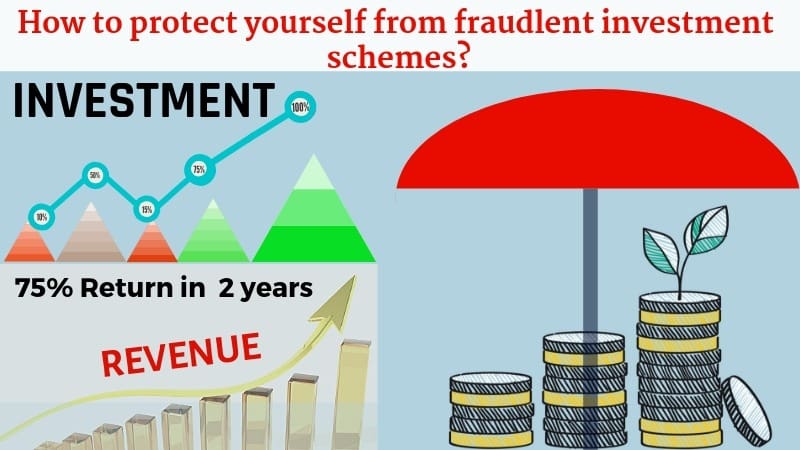
The United Arab Emirates (UAE) stands as a beacon of economic dynamism, attracting significant global investment and fostering a vibrant marketplace for entrepreneurs and established businesses alike. Its strategic location, world-class infrastructure, and forward-thinking regulatory environment make it an exceptionally appealing destination for capital growth. However, this very attractiveness, coupled with a diverse and often transient population, can unfortunately also create fertile ground for fraudulent investment schemes. Protecting your hard-earned capital requires vigilance, knowledge, and a proactive approach to due diligence. We understand the allure of promising investment opportunities, but we also recognize the devastating impact that financial fraud can have. Therefore, we present this comprehensive guide, designed to equip investors – both seasoned and novice – with the critical knowledge needed to identify potential scams and navigate the UAE investment landscape safely and successfully.
Our commitment is to provide you with the detailed insights and practical steps necessary to safeguard your financial future. We will delve deep into the various typologies of investment fraud prevalent globally and specifically observed within the UAE, highlight the unmistakable red flags that should trigger immediate caution, outline robust due diligence processes, explain the crucial role of UAE regulatory authorities, and provide clear guidance on what actions to take if you suspect you have encountered or fallen victim to a fraudulent scheme. We believe that informed investors are empowered investors, capable of making sound decisions that align with their financial goals while steering clear of deceptive traps.
Understanding the UAE Investment Environment: Opportunity and Risk
The UAE’s economic success story is undeniable. Diversification away from hydrocarbons has led to booming sectors in real estate, tourism, logistics, technology, and finance. Free zones like the Dubai International Financial Centre (DIFC) and the Abu Dhabi Global Market (ADGM) offer sophisticated regulatory frameworks aligned with international best practices, attracting global financial institutions and talent. Mainland UAE, regulated primarily by the Securities and Commodities Authority (SCA) and local Departments of Economic Development (DED), also presents vast opportunities.
This dynamic environment inherently presents complexities. The sheer volume of investment activity, the international nature of capital flows, and the constant emergence of new investment products (particularly in fintech and digital assets) mean that regulators and investors must remain perpetually alert. Fraudsters are adept at exploiting enthusiasm, leveraging sophisticated marketing techniques, and sometimes even mimicking legitimate operations to gain trust. They may target specific expatriate communities, leverage social media platforms, or create elaborate online presences. Understanding this backdrop is the first step towards cultivating the necessary skepticism and diligence. We must approach every investment opportunity, especially those promising extraordinary returns, with a critical mindset.
Defining Investment Fraud: Recognizing Deception
At its core, investment fraud involves deceiving investors or attempting to do so. It is the illegal practice of misrepresenting information or omitting crucial facts that a reasonable investor would rely upon when making an investment decision. This deception is designed to induce investment, often with the fraudster having no real intention or capability of generating legitimate returns, instead planning to abscond with the invested funds or use new investments to pay earlier investors (the hallmark of a Ponzi scheme).
Key elements typically involved in investment fraud include:
-
Misrepresentation: Providing false or misleading information about the investment’s nature, risks, potential returns, the company’s financial health, the promoter’s background, or the use of invested funds.
-
Omission: Failing to disclose material facts that could influence an investor’s decision, such as significant risks, conflicts of interest, regulatory actions against the company or its principals, or the fact that the investment is not registered as required.
-
Deceitful Conduct: Employing tricks, artifices, or schemes intended to defraud investors. This can range from creating fake documents and websites to using high-pressure sales tactics and manipulating market prices.
It is crucial to distinguish legitimate investments, which inherently carry risk, from fraudulent schemes. Legitimate investments may underperform or even fail, resulting in losses, but this is not fraud unless there was intentional deception involved in the offering process. Fraudulent schemes, conversely, are built on a foundation of lies from the outset.
Common Types of Fraudulent Investment Schemes Encountered in the UAE
Fraudsters are constantly innovating, but many scams fall into recognizable categories. Familiarity with these typologies is essential for early identification. We will explore some of the most prevalent types, noting that schemes can often blend elements from multiple categories.
1. Ponzi Schemes: The Perpetual Motion Machine of Fraud
Named after Charles Ponzi, who ran a notorious scheme in the 1920s, Ponzi schemes are perhaps the most infamous type of investment fraud. They promise high investment returns with little or no actual underlying business activity generating revenue. Instead, the “returns” paid to earlier investors are funded by the capital contributed by newer investors.
-
Mechanism: Promoters attract investors with promises of exceptionally high, often “guaranteed,” returns. Early investors may receive payments, creating an illusion of success and encouraging them to reinvest and recruit others. However, the scheme is mathematically unsustainable. It relies on an ever-increasing flow of new money. Eventually, the influx of new capital slows, or a large number of investors try to withdraw funds simultaneously, causing the entire structure to collapse.
-
UAE Context: Ponzi schemes can manifest in various guises in the UAE, sometimes linked to purported investments in forex, commodities, cryptocurrencies, or exclusive offshore ventures. Promoters might leverage the region’s image of wealth and opportunity to add credibility.
-
Key Identifiers: Guaranteed high returns, consistent payouts regardless of market conditions, focus on recruiting new investors (though less explicit than pyramid schemes), complex or secret strategies, difficulties withdrawing principal.
2. Pyramid Schemes: Recruitment Over Product
While often confused with Ponzi schemes, pyramid schemes have a distinct primary focus: recruitment. Participants make money primarily by recruiting new members into the scheme, rather than by selling actual products or services of genuine value to end consumers.
-
Mechanism: New recruits are typically required to pay a fee to join. A portion of this fee is used to pay the recruiters and those higher up the pyramid. While some pyramid schemes may involve a product or service, it is often overpriced, of poor quality, or has little independent market value. The emphasis is always on signing up more people below you. Like Ponzi schemes, they are mathematically doomed to collapse when recruitment inevitably slows.
-
UAE Context: These schemes can be disguised as multi-level marketing (MLM) opportunities. Legitimate MLMs derive revenue primarily from product sales to actual consumers, whereas pyramid schemes rely on recruitment fees. Regulators in the UAE are vigilant, but distinguishing between legitimate MLM and illegal pyramids requires scrutiny.
-
Key Identifiers: Emphasis on recruitment over product/service sales, requirement of large upfront fees or inventory purchases, promises of exponential income based on recruitment, pressure to recruit friends and family.
3. High-Yield Investment Programs (HYIPs): The Online Illusion
High-Yield Investment Programs (HYIPs) are often unregistered, online-based schemes promising unsustainably high returns, frequently on a daily or weekly basis. They claim to generate these returns through complex trading activities (like forex or arbitrage) or participation in opaque international financial markets.
-
Mechanism: HYIPs typically operate through slick websites featuring impressive (but often fake) testimonials, account dashboards showing accumulating “profits,” and promises of minimal risk. They rely heavily on online advertising and social media promotion. In reality, most HYIPs are Ponzi schemes dressed in modern digital clothing. They pay early investors with new money until the inevitable collapse.
-
UAE Context: The UAE’s digitally savvy population and high internet penetration make it a target market for online HYIPs. Promoters might falsely claim connections to legitimate UAE businesses or financial centres.
-
Key Identifiers: Extremely high daily/weekly returns (e.g., 1-5% per day), anonymity of operators, online-only presence, pressure for quick investment, use of cryptocurrencies for payments, frequent “technical issues” when withdrawals are requested.
4. Advance Fee Fraud: Paying for Nothing
In an advance fee fraud scheme, victims are persuaded to pay a fee upfront in anticipation of receiving something of greater value later – such as a loan, contract, investment opportunity, or lottery winnings – which never materializes.
-
Mechanism: Fraudsters promise access to a lucrative investment or substantial funding but claim that certain fees (e.g., processing fees, regulatory fees, taxes, legal costs) must be paid first. Once the initial fee is paid, they may invent further fees or simply disappear.
-
UAE Context: These scams can be tailored to the UAE environment, perhaps offering access to exclusive real estate deals, government contracts, or large project financing, conditional on paying an upfront “facilitation” or “registration” fee.
-
Key Identifiers: Requirement to pay fees upfront to unlock a larger sum or opportunity, unsolicited offers of loans or investments, use of seemingly official but fake documents, pressure to act quickly, requests for payment via wire transfer or cryptocurrency to untraceable accounts.
5. Boiler Room Operations: High Pressure, Low Value
Boiler rooms are operations that use high-pressure sales tactics to sell speculative, often worthless, or non-existent securities, typically shares in obscure or private companies.
-
Mechanism: Salespeople (often working from makeshift offices, hence “boiler room”) make unsolicited calls (cold calling) or send emails to potential investors, using persuasive scripts, creating a sense of urgency, and making exaggerated claims about a company’s potential. They may employ aggressive tactics, dismiss concerns about risk, and prevent investors from doing independent research.
-
UAE Context: While physical boiler rooms might be less common due to stricter regulations, virtual boiler rooms operating via phone, email, and messaging apps targeting UAE residents are a definite threat. They might push shares in questionable international companies or fraudulent locally-themed ventures.
-
Key Identifiers: Unsolicited contact with high-pressure sales tactics, promises of spectacular gains (“the next big thing”), pressure to invest immediately (“buy now before the price skyrockets”), downplaying or ignoring risks, difficulty getting information in writing, brokers being unlicensed or operating from offshore jurisdictions.
6. Real Estate Investment Scams: Exploiting the Property Dream
The UAE’s dynamic real estate market, while offering genuine opportunities, is also susceptible to various scams.
-
Off-Plan Fraud: Investors pay significant deposits for properties that are either never built, excessively delayed, or built to a much lower standard than promised. Developers may lack proper registration or escrow account protections required by UAE law (e.g., RERA in Dubai).
-
Title Deed Fraud: Scammers may sell properties they do not own, using forged documents or exploiting legal loopholes.
-
Rental Scams: Fake landlords or agents collect deposits and rent for properties they are not authorized to lease.
-
Timeshare/Fractional Ownership Scams: High-pressure sales for schemes with little real value, exorbitant fees, and difficulty exiting the contract.
-
Land Banking Scams: Selling plots of land with promises of imminent development and rezoning that never happens, often in remote or undesirable locations.
-
UAE Context: Given the high value of real estate transactions, these scams can lead to substantial losses. Verification through official channels like the Dubai Land Department (DLD) or relevant municipal authorities is crucial.
-
Key Identifiers: Deals that seem too good to be true, pressure to pay large sums upfront without proper legal safeguards (like registered escrow accounts), lack of verifiable developer registration or project approval (e.g., RERA registration), inability to inspect the property or verify title deeds, vague contracts with hidden clauses.
7. Forex Trading Scams: Luring with Leverage
The foreign exchange (forex) market is legitimate, but it is also high-risk and complex. Scammers exploit its allure by promising easy profits through forex trading.
-
Mechanism: Fraudulent operators may offer managed accounts with guaranteed high returns, sell overpriced or useless trading software/robots, or run platforms that manipulate prices or prevent withdrawals. They often operate as unregulated brokers, lacking oversight from reputable authorities like the SCA, DFSA, or FSRA.
-
UAE Context: The UAE is a major hub for finance, making it an attractive target for forex scams presented as sophisticated investment opportunities. Promoters might falsely claim endorsement by UAE regulatory bodies.
-
Key Identifiers: Guarantees of high profits in forex trading (impossible due to market volatility), promotion by unregulated brokers, pressure to deposit large sums, difficulties withdrawing funds, platforms with suspicious trading activity or price feeds.
8. Cryptocurrency and Digital Asset Scams: The Wild West of Finance?
The rapidly evolving world of cryptocurrencies and digital assets presents unique opportunities for fraudsters due to its complexity, regulatory uncertainties in some areas, and hype.
-
Fraudulent Initial Coin Offerings (ICOs) / Initial Exchange Offerings (IEOs): Promoters raise funds for new crypto projects that are scams, with no intention of developing the promised technology or token. Whitepapers are often vague, plagiarized, or technically unsound.
-
Fake Exchanges: Websites mimicking legitimate cryptocurrency exchanges are created to steal login credentials or deposits.
-
Pump-and-Dump Schemes: Fraudsters artificially inflate the price of a low-value coin (often through coordinated buying and misleading promotion on social media) and then sell their holdings at the peak, causing the price to crash and leaving other investors with worthless tokens.
-
Imposter Scams: Scammers impersonate well-known figures in the crypto space or support staff from legitimate platforms to solicit funds or private keys.
-
Phishing Scams: Attempts to trick users into revealing their private keys or login details for crypto wallets or exchanges.
-
UAE Context: While the UAE is actively developing regulations for virtual assets (e.g., through VARA in Dubai and initiatives within ADGM/DIFC), the global and often anonymous nature of crypto makes it challenging. Scams might falsely claim regulatory approval or partnership with UAE entities.
-
Key Identifiers: Promises of guaranteed astronomical returns, pressure to buy quickly during ICOs/IEOs, poorly written or vague whitepapers, anonymous development teams, unsolicited offers via social media (especially Telegram/Discord), requests for private keys or seed phrases (never share these).
9. Affinity Fraud: Exploiting Trust Within Communities
Affinity fraud targets members of identifiable groups, such as religious communities, ethnic groups, professional organizations, or social clubs. Fraudsters often are (or pretend to be) members of the group to exploit the trust and camaraderie that exists within it.
-
Mechanism: The scammer leverages their connection to the group to gain credibility and bypass critical scrutiny. They pitch the fraudulent investment as an exclusive opportunity for group members, relying on social proof and personal relationships to spread the scheme. Victims are often reluctant to report fraud due to embarrassment or fear of causing conflict within the community.
-
UAE Context: The UAE’s diverse expatriate population, often forming tight-knit communities, can be vulnerable to affinity fraud. Scammers might tailor their pitch to resonate with the specific cultural background or shared interests of the targeted group.
-
Key Identifiers: Investment pitch emphasizing shared group membership, reliance on testimonials from within the group, pressure not to “miss out” on an opportunity offered to the community, discouragement of seeking outside advice, exploitation of trust and personal relationships.
10. Prime Bank Instrument Fraud: The Mythical World of High Finance
These schemes involve fictitious “prime bank” instruments, “letters of credit,” or other high-value financial instruments supposedly issued by elite global banks, promising exorbitant returns through secretive trading programs accessible only to the world’s wealthiest individuals or institutions.
-
Mechanism: Fraudsters use complex jargon, impressive-sounding (but fake) documents, and claims of connections to obscure international financial organizations. They assert that these instruments offer risk-free, high returns, often requiring significant upfront investment or fees to participate. The entire premise is fictional; these instruments and trading programs do not exist as described.
-
UAE Context: The UAE’s status as a global financial centre might be used by scammers to lend false credibility to claims about accessing exclusive international trading programs or instruments via local intermediaries.
-
Key Identifiers: Mention of “prime bank” instruments, “standby letters of credit (SBLCs)” used for investment, promises of impossibly high returns (e.g., 100%+ per year) with no risk, extreme secrecy surrounding the investment, complex jargon designed to confuse, requirement of large minimum investments or fees.
11. Pump-and-Dump Schemes (Traditional Markets): Stock Manipulation
Distinct from crypto pump-and-dumps but similar in principle, these schemes involve manipulating the price of publicly traded micro-cap stocks (penny stocks).
-
Mechanism: Fraudsters accumulate shares in a thinly traded stock and then spread false or misleading positive information (the “pump”) through press releases, online forums, email spam, or social media to artificially inflate the price. As unsuspecting investors buy in, driving the price higher, the fraudsters sell their shares (the “dump”), causing the price to plummet and leaving other investors with significant losses.
-
UAE Context: Investors in the UAE trading on international markets can be targeted by pump-and-dump schemes originating elsewhere. Vigilance is needed when encountering unsolicited stock tips, especially for unknown small companies.
-
Key Identifiers: Aggressive promotion of unknown micro-cap stocks, unsolicited stock tips (often via email or social media), pressure to buy quickly, dramatic price increases lacking fundamental justification, focus on speculative potential rather than company performance.
Understanding these common typologies provides a framework for recognizing potential danger. However, fraudsters are creative, and new variations constantly emerge. The most effective defense is learning to spot the universal red flags of investment fraud.
Critical Red Flags: Warning Signs You Cannot Ignore
Regardless of the specific type of scheme, certain warning signs consistently appear in fraudulent investment offerings. Learning to recognize these red flags is paramount to protecting yourself. Treat the presence of any of these signs with extreme caution; multiple red flags should be considered a definitive warning to disengage immediately.
1. Promises of Guaranteed High Returns with Little or No Risk:
This is the single most significant red flag. All legitimate investments carry some degree of risk, and returns are typically correlated with risk. Any offer promising exceptionally high returns (significantly above market rates for similar investments) combined with claims of “guaranteed,” “no risk,” or “low risk” is highly suspect. Market forces fluctuate; guarantees in investing are virtually non-existent, especially for high returns. Be deeply skeptical of phrases like “risk-free profit,” “guaranteed monthly income,” or “secured high returns.”
2. Unsolicited Offers:
Be extremely wary if you receive unexpected contact about an investment opportunity via:
-
Cold Calls: Unsolicited phone calls from unknown individuals or companies promoting investments.
-
Emails/Spam: Emails appearing in your inbox touting “exclusive” or “groundbreaking” investment opportunities you never inquired about.
-
Social Media Messages: Direct messages on platforms like LinkedIn, Facebook, WhatsApp, Telegram, etc., from strangers or even acquaintances pushing an investment.
-
Pop-up Ads: Aggressive online advertisements promising unrealistic wealth.
Legitimate investment firms generally do not solicit new clients through such indiscriminate and unsolicited methods. Ask yourself: why are they contacting me specifically?
3. Pressure to Invest Quickly:
Fraudsters often try to rush your decision-making process to prevent you from conducting thorough research or seeking independent advice. They create a false sense of urgency using tactics like:
-
“Limited Time Offer”: Claiming the opportunity is only available for a short period.
-
“Exclusive Window”: Stating only a few spots are left for investors.
-
“Act Now Before It’s Too Late”: Suggesting imminent price increases or regulatory changes.
-
Aggressive Sales Tactics: Persistent follow-up calls or messages demanding an immediate commitment.
A legitimate investment opportunity will allow you adequate time to review documents, ask questions, conduct due diligence, and consult with advisors. Never be rushed into making an investment decision.
4. Lack of Transparency and Complex Strategies:
Scammers often deliberately make their supposed investment strategies sound overly complex, vague, or secretive to deter scrutiny and impress potential victims.
-
Vague Explanations: Inability or unwillingness to clearly explain how the investment generates returns, where the money is actually going, or what the underlying assets are.
-
“Proprietary” or “Secret” Methods: Claims that the investment strategy is too complex for outsiders to understand or is a closely guarded secret.
-
Lack of Documentation: Difficulty obtaining clear, verifiable documentation like a prospectus, offering memorandum, audited financial statements, or detailed investment reports.
Legitimate investments should have clear documentation outlining the strategy, risks, fees, and underlying assets. If you cannot understand it, or they will not explain it clearly, walk away.
5. Unregistered or Unlicensed Individuals and Firms:
In the UAE, individuals and firms offering or advising on investments must generally be licensed and regulated by the appropriate authority (SCA for mainland, DFSA for DIFC, FSRA for ADGM). Dealing with unlicensed entities significantly increases your risk, as they operate outside the regulatory safeguards designed to protect investors.
-
Check Credentials: Always verify if the individual and the firm they represent are registered with the relevant UAE regulator. Do not rely solely on their claims; check the regulator’s online public registers.
-
Offshore Evasiveness: Be cautious if the entity is based solely in an offshore jurisdiction known for lax regulation, especially if they are actively targeting UAE residents without a local license.
Dealing with licensed professionals provides recourse and accountability that is absent with unregistered players.
6. Difficulty Receiving Payments or Withdrawing Funds:
This is often one of the first concrete signs that a scheme is fraudulent, particularly Ponzi schemes or HYIPs.
-
Delayed Payments: Excuses for delays in processing promised returns or withdrawal requests (e.g., “technical issues,” “pending verification,” “market volatility”).
-
New Requirements for Withdrawal: Suddenly imposing new fees, minimum withdrawal amounts, or requirements to invest more money before you can withdraw your principal or profits.
-
Communication Breakdown: Promoters becoming unresponsive or difficult to contact when withdrawal requests are made.
Legitimate firms have clear procedures and timelines for processing withdrawals. Consistent difficulties or new obstacles to accessing your money are major warning signs.
7. Operations Based Overseas or Lack of Physical Presence:
While legitimate international investment firms operate globally, be cautious if a firm aggressively targeting UAE investors has no verifiable physical presence or regulatory licensing within the UAE or a reputable, well-regulated jurisdiction.
-
Virtual Offices/PO Boxes: Reliance solely on virtual office addresses or post office boxes instead of a genuine operational headquarters.
-
Website Anonymity: Websites lacking clear contact information, physical addresses, or details about the company’s leadership and registration.
-
Jurisdictional Arbitrage: Operating from countries with weak regulatory oversight or known secrecy laws, making legal recourse difficult.
A lack of tangible presence and accountability should raise serious concerns.
8. Vague, Inconsistent, or Missing Documentation:
Legitimate investments are supported by comprehensive legal and financial documentation. Fraudulent schemes often feature documents that are:
-
Poorly Drafted: Containing spelling errors, grammatical mistakes, inconsistencies, or unprofessional formatting.
-
Overly Simplistic or Vague: Lacking detailed information about risks, fees, management, and how returns are generated.
-
Missing Key Documents: Absence of a formal prospectus, offering memorandum, subscription agreement, or audited financial statements.
-
Using Fake Credentials: Referencing non-existent auditors, lawyers, or regulators.
Thoroughly scrutinize all documentation. If it seems unprofessional, incomplete, or evasive, consider it a significant red flag.
9. Use of Jargon and Overly Complex Language:
While finance involves technical terms, some fraudsters deliberately use excessive jargon, acronyms, and complex language not to inform, but to confuse and intimidate investors into thinking the opportunity is highly sophisticated and exclusive. They hope you will be too embarrassed to admit you do not understand and will simply trust their “expertise.” Insist on clear, plain language explanations. If they cannot or will not provide them, be suspicious.
10. Requests for Personal Information or Upfront Fees:
Beyond the standard Know Your Customer (KYC) information required by regulated firms, be wary of excessive requests for sensitive personal data early in the process, especially if unrelated to the investment itself. As discussed under Advance Fee Fraud, any requirement to pay fees upfront (processing fees, administrative charges, taxes) before receiving the promised investment payout or loan is a classic scam indicator.
11. Emphasis on Recruitment (Pyramid Scheme Indicator):
If the promoter spends more time encouraging you to recruit new investors (friends, family, colleagues) than explaining the actual investment or underlying business, you are likely dealing with a pyramid scheme. Promises that you will earn substantial commissions for bringing others into the scheme are a tell-tale sign. Focus should be on the investment’s merits, not recruitment.
12. Claims of “Inside Information” or “Secret Knowledge”:
Promoters claiming to have access to confidential information, secret government programs, or loopholes that guarantee extraordinary profits are almost certainly lying. Trading on genuine inside information is illegal (insider trading). Claims of secret, foolproof investment strategies are hallmarks of fraud. There are no legitimate secrets to guaranteed wealth in investing.
13. Social Proof Manipulation (Fake Testimonials):
Fraudsters often create fake testimonials, reviews, or endorsements to build credibility. These might appear on their website, in promotional materials, or be shared by early “investors” (who might be complicit or simply receiving early Ponzi payments). Be critical of overly enthusiastic or generic testimonials, especially if they cannot be independently verified. Look for independent reviews and analysis from reputable sources.
Recognizing these red flags requires a combination of skepticism, common sense, and a willingness to question anything that seems too good to be true. Trust your instincts – if an investment opportunity makes you feel uncomfortable, pressured, or confused, it is often best to walk away.
Due Diligence: Your Essential Toolkit for Avoiding Fraud
Identifying red flags is crucial, but proactive due diligence is your most powerful weapon against investment fraud. Due diligence is the process of investigation and verification undertaken to confirm the facts and assess the risks of an investment opportunity before committing capital. It requires time and effort, but it is an investment in your own financial security. We strongly advocate adopting a rigorous due diligence checklist for every potential investment, especially those sourced outside traditional, well-regulated channels.
1. Verify Licenses and Registration:
This is a non-negotiable first step in the UAE.
-
Identify the Regulator: Determine which authority should regulate the type of investment activity being offered and where the entity claims to operate (SCA for mainland, DFSA for DIFC, FSRA for ADGM). Be aware that activities like banking and insurance fall under the Central Bank of the UAE (CBUAE), while company formation is handled by Departments of Economic Development (DEDs) in each emirate. Real estate projects require registration with bodies like RERA (Real Estate Regulatory Agency) in Dubai.
-
Check Public Registers: Visit the official websites of the relevant regulators (SCA, DFSA, FSRA) and use their online public registers or license verification tools. Search for both the company/firm name and the individual broker or advisor proposing the investment.
-
Confirm Authorized Activities: Ensure the firm is licensed for the specific type of investment activity they are offering (e.g., advising, arranging deals, managing assets). A simple trade license from a DED does not authorize a firm to manage investments or trade securities.
-
Beware of False Claims: Do not trust claims of registration or screenshots provided by the promoter. Verify independently through the regulator’s official website. Note any disciplinary actions or warnings listed against the firm or individual.
-
International Checks: If the firm operates internationally, check their registration status with regulators in their home jurisdiction (e.g., SEC in the US, FCA in the UK).
2. Thoroughly Research the Company and Individuals:
Go beyond the promotional materials provided by the company.
-
Company Background: Investigate the company’s history, track record, management team, physical address, and legal structure. Look for independent news articles, press releases, and industry reports about the company. Search online for reviews or complaints, but view both positive and negative comments critically.
-
Management Team: Research the backgrounds, qualifications, and experience of the key individuals involved (directors, executives, promoters). Use professional networking sites like LinkedIn (cross-referencing information), conduct web searches for their names linked with terms like “fraud,” “scam,” “complaint,” or “lawsuit.”
-
Physical Presence: Verify the company’s claimed physical address using online maps or, if feasible, a physical visit. Be wary of companies operating solely from virtual offices or mail drops.
-
Website Scrutiny: Analyze the company website for professionalism, clarity, completeness of information (contact details, registration info, team bios), and domain registration details (using WHOIS lookup tools). New or recently registered domains for established-sounding companies can be a red flag.
3. Understand the Investment Thoroughly:
Do not invest in anything you do not fully understand.
-
Investment Mechanism: Get a clear explanation of how the investment works, how it generates returns, and what the underlying assets or activities are. If it involves complex strategies (e.g., arbitrage, derivatives), ensure you grasp the basic principles and risks involved.
-
Risk Factors: Demand a clear and comprehensive disclosure of all potential risks. Be wary if risks are downplayed, dismissed, or not mentioned at all. Understand the potential for losing your entire investment.
-
Fees and Charges: Obtain a detailed breakdown of all fees, commissions, and expenses associated with the investment, including entry fees, management fees, performance fees, withdrawal penalties, and administrative charges. Understand how these fees impact your net return.
-
Use of Funds: Inquire about how your invested capital will be specifically used. Vague answers are a red flag.
-
Liquidity: Understand the terms for accessing your money. How easily and quickly can you sell or redeem your investment? Are there lock-up periods or penalties for early withdrawal?
4. Seek Independent, Professional Advice:
Before making any significant investment decision, especially with unfamiliar opportunities, consult with a qualified and independent financial advisor, lawyer, or accountant who you have chosen and vetted.
-
Unbiased Perspective: An independent advisor has no vested interest in selling you a particular product and can provide an objective assessment of the opportunity and its suitability for your financial situation and risk tolerance.
-
Verify Advisor Credentials: Ensure the advisor you consult is appropriately licensed and regulated in the UAE.
-
Avoid Promoter’s Advisors: Do not rely on advisors recommended or provided by the promoter of the investment, as they may have a conflict of interest.
5. Scrutinize All Documentation Carefully:
Request and meticulously review all relevant documents before signing anything or transferring funds.
-
Prospectus / Offering Memorandum: This key document should detail the investment objective, strategy, risks, fees, management, and financial information. Read it thoroughly, including the fine print.
-
Subscription Agreement: Understand the terms and conditions you are agreeing to.
-
Audited Financial Statements: For established companies, request recent audited financial statements. Review the auditor’s report and notes. Be wary if audits are conducted by unknown or questionable auditing firms.
-
Legal Review: For complex investments or large amounts, consider having the documents reviewed by your own independent legal counsel specializing in financial matters.
6. Be Wary of Online Information and Social Proof:
While the internet is a valuable research tool, it is also rife with misinformation.
-
Verify Online Claims: Cross-reference information found online from multiple credible sources. Be skeptical of anonymous forum posts, overly positive reviews (potentially fake), and unsubstantiated claims on social media.
-
Fake News and Websites: Fraudsters can create fake news articles, press releases, and even clone legitimate company websites to appear credible. Verify information through official channels.
-
Influencer Endorsements: Be cautious of investment endorsements by social media influencers, who may be paid promoters and lack financial expertise or may not have conducted adequate due diligence.
7. Check Regulatory Alerts and Warnings:
Regularly check the websites of UAE regulators (SCA, DFSA, FSRA) and international bodies like the International Organization of Securities Commissions (IOSCO) for alerts, warnings, and enforcement actions related to potentially fraudulent schemes or unlicensed firms. Many regulators maintain lists of unauthorized firms targeting their residents.
8. Ask Probing Questions and Expect Clear Answers:
Do not hesitate to ask detailed and challenging questions about the investment, the company, and the people involved. Legitimate professionals will welcome informed questions; fraudsters will often become evasive, defensive, or impatient.
-
Examples: “Can you explain the risks in more detail?” “Where exactly is my money being invested?” “Who is the custodian of the assets?” “What is your regulatory license number?” “Can I speak to your compliance officer?” “How is the company audited?” “What happens if the company fails?”
-
Demand Written Responses: For crucial questions, request answers in writing for your records.
9. Consider Starting Small (Use with Caution):
While generally not recommended for inherently suspicious schemes, if you are exploring a novel but potentially legitimate (though perhaps high-risk) area with a regulated entity, some advisors might suggest starting with a small amount you can afford to lose entirely. However, this tactic should never be used to “test” an operation showing multiple red flags, as even small initial successes can be part of a Ponzi scheme’s luring mechanism.
Performing thorough due diligence is not about being overly suspicious; it is about being prudent and responsible with your capital. It empowers you to make informed decisions based on verified facts rather than persuasive promises.
The Crucial Role of UAE Regulatory Authorities
Understanding the mandates and functions of the key regulatory bodies in the UAE is vital for investors seeking protection and recourse. These authorities work to ensure market integrity, transparency, and investor protection within their respective jurisdictions.
1. Securities and Commodities Authority (SCA):
-
Jurisdiction: Regulates the securities and commodities markets across the UAE mainland (outside the financial free zones).
-
Functions: Licenses and supervises brokerage firms, asset managers, financial advisors, custodians, and public companies listing on the UAE’s exchanges (Dubai Financial Market – DFM, Abu Dhabi Securities Exchange – ADX). Sets rules for market conduct, prospectuses, and disclosure requirements. Investigates market manipulation and fraud. Promotes investor education and awareness.
-
Investor Relevance: Check the SCA website (sca.gov.ae) to verify licenses of firms and individuals operating on the mainland, access regulations, and find investor warnings. Report suspected fraud related to mainland markets or SCA-licensed entities here.
2. Dubai Financial Services Authority (DFSA):
-
Jurisdiction: Regulates all financial services conducted in or from the Dubai International Financial Centre (DIFC).
-
Functions: Operates under a separate legal and regulatory framework based on international standards. Licenses and supervises banks, brokers, investment advisors, asset managers, insurance firms, and other financial institutions operating within the DIFC. Authorizes market listings on Nasdaq Dubai (located within DIFC). Enforces strict rules on conduct, anti-money laundering (AML), and investor protection.
-
Investor Relevance: Check the DFSA’s public register (dfsa.ae) to verify the status of DIFC-licensed firms and individuals. Access their comprehensive rulebook and investor alerts. Report suspected misconduct or fraud involving DIFC entities to the DFSA.
3. Financial Services Regulatory Authority (FSRA):
-
Jurisdiction: Regulates financial services within the Abu Dhabi Global Market (ADGM), another financial free zone with its own legal system based on English Common Law.
-
Functions: Similar to the DFSA, the FSRA licenses and supervises banks, brokers, advisors, asset managers, exchanges, and other financial institutions within ADGM. It sets high standards for regulation, compliance, and enforcement, including a dedicated framework for virtual asset activities.
-
Investor Relevance: Verify ADGM-licensed firms and individuals through the FSRA’s public register (adgm.com/fsra). Consult their regulations and warnings. Report suspected violations or fraud concerning ADGM entities to the FSRA.
4. Central Bank of the UAE (CBUAE):
-
Jurisdiction: Regulates banks, insurance companies, payment service providers, and money remitters operating across the UAE (including free zones for prudential matters).
-
Functions: Ensures financial stability, manages monetary policy, licenses and supervises banks and insurance providers, oversees payment systems, and enforces AML/CFT regulations within its remit.
-
Investor Relevance: While not the primary regulator for investments like securities, the CBUAE plays a critical role in the overall financial system’s stability. Issues warnings about unlicensed money transfer services or deposit-taking activities.
5. Local Departments of Economic Development (DEDs) / Economic Departments:
-
Jurisdiction: Operate at the Emirate level (e.g., Dubai Economy and Tourism, Abu Dhabi Department of Economic Development).
-
Functions: Primarily responsible for issuing trade licenses for commercial activities outside the financial free zones. While crucial for general business setup, a DED license does not authorize a company to conduct regulated financial services like investment advice, asset management, or securities trading.
-
Investor Relevance: Useful for verifying if a company has a basic business license, but never sufficient to confirm authorization for investment activities. Always check with SCA, DFSA, or FSRA for financial services licenses.
Cooperation and Information Sharing:
These regulatory bodies cooperate with each other and with international counterparts to combat financial crime and share information on fraudulent schemes and unlicensed operators. They regularly issue public warnings and investor alerts, which are essential resources for staying informed.
What to Do If You Suspect or Have Fallen Victim to Investment Fraud
Discovering you might be involved in a fraudulent scheme is distressing, but taking prompt and appropriate action is crucial to mitigate losses and aid authorities.
1. Stop Investing Immediately:
If you suspect fraud, do not invest any more money, regardless of promises of recovering previous investments or warnings that stopping will forfeit everything. Do not pay any further “fees” or “taxes” requested to release funds – this is likely part of the scam.
2. Gather All Evidence:
Collect and organize all documentation and communication related to the investment. This includes:
-
Contracts, subscription agreements, prospectuses, promotional materials (brochures, emails, website screenshots).
-
Account statements showing transactions.
-
Records of all communication (emails, messages, call logs with dates/times).
-
Bank transfer records, wire receipts, cryptocurrency transaction details.
-
Names, contact details, and license numbers (if any) of the individuals and firms involved.
3. Report to the Relevant Regulatory Authorities:
Promptly report the suspected fraud to the appropriate UAE regulator(s):
-
SCA: If the entity operates on the mainland or is licensed by the SCA. Use their official complaint channels (available on their website).
-
DFSA: If the entity operates within or from the DIFC or claims DFSA regulation. Use their complaints portal.
-
FSRA: If the entity operates within or from the ADGM or claims FSRA regulation. Use their reporting mechanisms.
-
CBUAE: If the issue involves banks, insurance, or unlicensed deposit-taking/money transfers.
Provide them with all the evidence you have gathered. Regulatory reporting is crucial even if recovery seems unlikely, as it helps authorities identify patterns, warn others, and potentially take enforcement action.
4. Report to Law Enforcement:
Investment fraud is a crime. Report the matter to the local police department in the Emirate where the fraud occurred or where you reside.
-
Dubai Police: Have specific channels for reporting financial crimes.
-
Abu Dhabi Police: Offer similar reporting mechanisms.
-
Other Emirates: Contact the respective police force.
Provide a clear statement and copies of your evidence. A police report may be necessary for legal action or potential recovery efforts.
5. Seek Independent Legal Counsel:
Consult with a lawyer specializing in financial fraud or commercial litigation in the UAE. They can advise you on:
-
The legal merits of your case.
-
Potential avenues for recovering funds (though often difficult, especially if funds have moved offshore).
-
Navigating the legal process in the UAE.
-
Dealing with collection agencies if loans were taken out for the fraudulent investment.
6. Be Cautious of Recovery Scams:
Unfortunately, victims of fraud are sometimes targeted again by “recovery scams.” These fraudsters claim they can recover your lost funds for an upfront fee. They are simply perpetuating the fraud. Be extremely wary of any unsolicited offers to help recover lost investments, especially if they demand payment in advance. Only work through official channels and reputable, verified legal professionals.
7. Warn Others (Carefully):
While sharing your experience can help prevent others from falling victim, be cautious about making public accusations online, especially if specific individuals or entities are named. Stick to factual accounts and avoid potentially defamatory statements. Reporting to regulators and police is the most effective way to ensure authorities are aware and can issue official warnings if appropriate.
Acting quickly and methodically increases the chances, however small, of freezing assets or contributing to regulatory/criminal action against the perpetrators.
Staying Informed and Cultivating Continuous Vigilance
The landscape of investment fraud is constantly shifting. Fraudsters adapt their techniques, exploit new technologies, and capitalize on current events or market trends. Therefore, protecting yourself is an ongoing process that requires continuous learning and vigilance.
-
Follow Regulatory Updates: Regularly visit the websites of the SCA, DFSA, and FSRA to check for new investor alerts, warnings about unlicensed firms, and educational materials. Subscribe to their newsletters or social media feeds if available.
-
Stay Abreast of Market News: Keep informed about general economic and financial market trends through reputable news sources. Understanding market realities helps you identify promises that are wildly out of line.
-
Educate Yourself: Take advantage of investor education resources provided by regulators, financial institutions, and reputable consumer protection groups. Understand basic investment principles, risk/return relationships, and common fraud typologies.
-
Maintain Healthy Skepticism: Approach all investment opportunities, especially unsolicited ones or those promising extraordinary results, with a critical mindset. Remember the adage: If it sounds too good to be true, it probably is.
-
Network Wisely: Discuss potential investments (without revealing sensitive details initially) with trusted friends, family, or colleagues, but always prioritize verification and independent professional advice over anecdotal evidence or enthusiasm.
-
Secure Your Information: Protect your personal and financial information online and offline. Use strong passwords, beware of phishing attempts, and shred sensitive documents.
By integrating these practices into your investment approach, you significantly enhance your ability to navigate the UAE’s investment opportunities confidently while minimizing your exposure to fraudulent schemes. We believe that a well-informed and cautious investor is the best defense against financial fraud. Our aim is to empower you with the knowledge to invest wisely and securely in the dynamic UAE market. Remember that diligence is not a one-time task but a continuous commitment to safeguarding your financial well-being.
Conclusion
The United Arab Emirates offers a compelling environment for investment growth, characterized by innovation and opportunity. However, this very dynamism requires investors to exercise heightened vigilance and diligence to avoid falling prey to sophisticated fraudulent investment schemes. Recognizing the hallmarks of deception – such as guaranteed high returns, pressure tactics, lack of transparency, and dealings with unlicensed entities – is the first line of defense.
We have outlined the common typologies of fraud, from classic Ponzi and pyramid schemes to modern HYIPs, crypto scams, and deceptive practices in real estate and forex trading. More importantly, we have emphasized the critical need for thorough due diligence. This involves rigorously verifying licenses with the appropriate UAE regulators (SCA, DFSA, FSRA), researching companies and individuals, fully understanding the investment and its associated risks, scrutinizing documentation, and seeking independent professional advice.
Knowing the roles of UAE regulatory bodies and the procedures for reporting suspected fraud empowers investors to take decisive action. If you encounter red flags or suspect you are a victim, cease further investment immediately, gather evidence, and report the matter to both the relevant regulators and law enforcement authorities.
Ultimately, protecting your capital in the UAE, as anywhere, hinges on a foundation of education, skepticism, and proactive verification. By staying informed, asking critical questions, resisting pressure, and performing meticulous due diligence, you can confidently navigate the investment landscape, capitalize on genuine opportunities, and steer clear of those seeking to unlawfully part you from your hard-earned money. We encourage all investors to adopt these principles as standard practice for a secure financial future.
FAQs
-
What is the single biggest red flag of an investment scam in the UAE?
Answer: The absolute biggest red flag is the promise of guaranteed high returns with little or no associated risk. Legitimate investments always involve risk, and returns are never truly guaranteed, especially exceptionally high ones. Any offer claiming otherwise should be treated with extreme suspicion. -
How can I check if an investment company or advisor is licensed in the UAE?
Answer: You must check the official public registers of the relevant regulatory authority. For mainland UAE operations, check the Securities and Commodities Authority (SCA) website (sca.gov.ae). For operations within the Dubai International Financial Centre (DIFC), check the Dubai Financial Services Authority (DFSA) website (dfsa.ae). For operations within the Abu Dhabi Global Market (ADGM), check the Financial Services Regulatory Authority (FSRA) website (adgm.com/fsra). Do not rely on claims made by the company; verify independently. -
I received an investment offer via WhatsApp/Social Media promising quick profits. Should I consider it?
Answer: You should be extremely cautious. Unsolicited offers, especially via social media or messaging apps, are a common tactic used by fraudsters. Promises of “quick profits” are another major red flag. Always apply rigorous due diligence, verify licenses, and seek independent advice before considering any unsolicited investment proposal. It is highly likely to be a scam. -
What is the difference between a Ponzi scheme and a Pyramid scheme?
Answer: Both are fraudulent and unsustainable. A Ponzi scheme relies on funds from new investors to pay purported returns to earlier investors, often with no real underlying business. A Pyramid scheme focuses primarily on recruitment; participants earn money mainly by recruiting new members who pay a fee, rather than through the sale of legitimate products or services. -
Are investments in cryptocurrency regulated in the UAE?
Answer: The UAE is actively developing its regulatory framework for virtual assets (including cryptocurrencies). Specific regulations exist within the financial free zones (ADGM by FSRA, DIFC by DFSA) and increasingly on the mainland, with Dubai’s Virtual Assets Regulatory Authority (VARA) playing a key role. However, the space is still evolving, and many online crypto platforms operate without UAE licenses. Always verify the regulatory status of any crypto platform or investment provider and be aware of the high prevalence of crypto scams (fake ICOs, pump-and-dump, phishing). -
What should I do if I think I’ve invested in a fraudulent scheme?
Answer: 1. Stop investing any more money immediately. 2. Gather all documents, communications, and transaction records. 3. Report the scheme to the relevant UAE regulators (SCA, DFSA, or FSRA) and to the local Police. 4. Seek independent legal advice from a lawyer specializing in financial fraud. -
The promoter says the investment strategy is too complex/secret to explain. Is this normal?
Answer: No, this is a major red flag. While some investment strategies are sophisticated, a legitimate promoter or advisor should be able to explain the core mechanics, risks, and how returns are generated in a way you can understand. Claims of excessive complexity or secrecy are often used to hide fraud or deter questioning. If you don’t understand it, don’t invest. -
Is it safe to invest in off-plan real estate in the UAE?
Answer: Off-plan real estate can be a legitimate investment, but it carries specific risks and has been exploited by fraudsters. To invest safely: ensure the developer and project are registered with the relevant authority (e.g., RERA in Dubai), verify the existence of a secure escrow account for payments, review the contract carefully (preferably with legal advice), and research the developer’s track record. Deals that seem too good to be true warrant extra scrutiny. -
Can I trust testimonials or endorsements I see online?
Answer: Treat online testimonials and endorsements with caution. Fraudsters frequently use fake testimonials or pay influencers to create an illusion of success and credibility. Look for independent reviews from reputable sources and focus on verifiable facts and regulatory checks rather than potentially manipulated social proof. -
Why do I need independent financial advice if the company offers its own advisor?
Answer: Advisors provided by the investment promoter may have a conflict of interest – their primary goal might be to sell you the product, not provide objective advice tailored to your best interests. An independent financial advisor, whom you select and pay, works for you and can offer an unbiased assessment of the investment’s suitability and risks based on your individual financial situation and goals.


